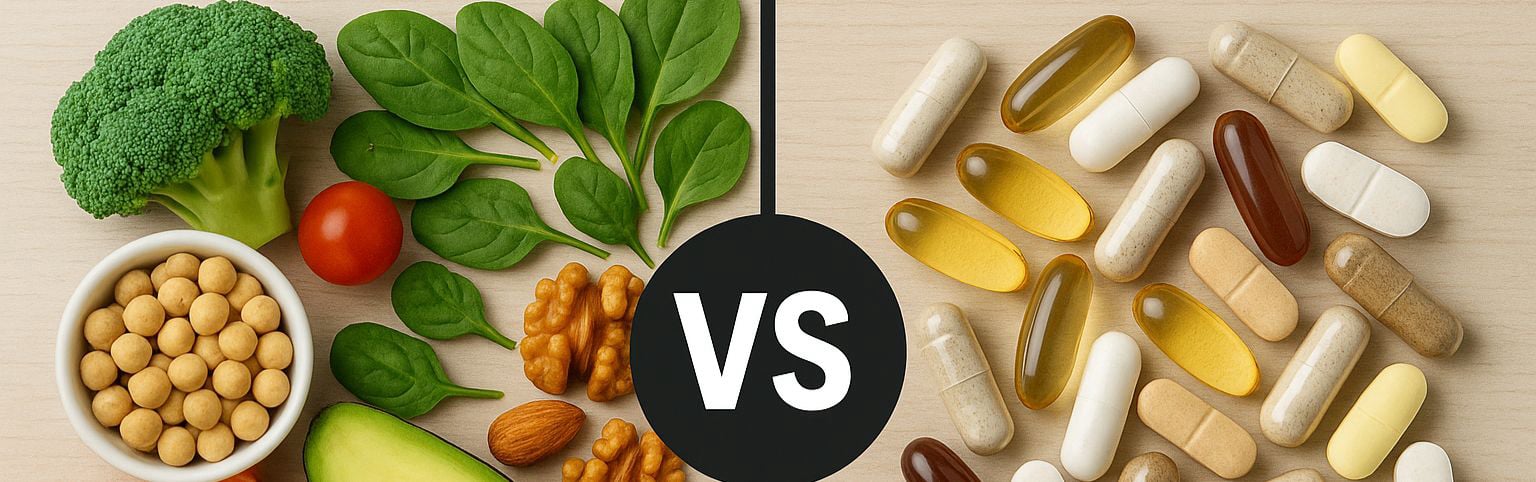
Supplements vs. Real Food: What Does Your Body Really Absorb?
In today’s health-conscious world, the debate between supplements and real food often takes center stage. While supplements promise a quick and convenient way to fill nutritional gaps, real food offers a complex array of nutrients, fiber, and bioactive compounds that work synergistically to support overall health. But when it comes down to what your body actually absorbs and utilizes, how do supplements compare to whole foods? Understanding this can help you make more informed choices for your nutrition.
Firstly, it’s important to recognize that supplements are designed to provide concentrated doses of specific nutrients—vitamins, minerals, amino acids, or fatty acids—in isolation or combination. They are particularly useful in cases of deficiency, dietary restrictions, or increased nutritional needs, such as during pregnancy or certain illnesses. However, the bioavailability—or the degree to which your body can absorb and use a nutrient—varies significantly between supplements and the same nutrients found naturally in food.
Real food comes packed not only with essential vitamins and minerals but also with other components like fiber, antioxidants, enzymes, and phytochemicals. These compounds often act synergistically, enhancing nutrient absorption and efficacy. For example, vitamin C found naturally in fruits and vegetables improves the absorption of plant-based iron, a phenomenon less efficiently replicated by isolated supplements. Similarly, fat-soluble vitamins like A, D, E, and K require dietary fats for proper absorption, which are inherently present in whole foods but may need to be paired with fat when taking supplements.
Another critical factor is that nutrients in food are generally more balanced and in forms that the body recognizes and uses more readily. Synthetic or isolated forms found in supplements sometimes differ chemically and may not be as effectively absorbed or metabolized. For example, synthetic folic acid (found in many supplements) must be converted in the body to its active form, whereas folate from foods like leafy greens is already in a usable form, potentially making food-based folate more beneficial.
However, it’s also true that not all nutrients in food are absorbed at 100%. Absorption can be influenced by many factors, including the food matrix, individual digestive health, and interactions with other foods or medications. Despite this, the diverse nutritional profile and synergistic interactions in whole foods generally offer superior nutrition compared to isolated supplements.
Supplements can play an important role when dietary intake is insufficient or absorption from food is impaired due to health conditions. For instance, older adults, people with certain digestive disorders, or those on restrictive diets may require supplementation for optimal health. Yet, relying solely on supplements without focusing on a balanced diet can lead to imbalances and miss out on the full benefits of whole foods.
In summary, while supplements can be valuable tools for targeted nutrition support, real food remains the gold standard for nourishing the body. Whole foods deliver a rich, balanced nutrient supply along with vital cofactors that promote better absorption and overall wellness. To optimize your health, aim to meet most of your nutrient needs through a diverse, nutrient-dense diet, using supplements thoughtfully and under professional guidance when necessary. This balanced approach ensures your body absorbs and utilizes nutrients effectively, supporting long-term vitality.
conclution
Supplements provide concentrated doses of specific nutrients and can help fill dietary gaps, especially in cases of deficiency or special health needs. However, real foods offer a complex mix of vitamins, minerals, fiber, and other compounds that work together to enhance nutrient absorption and overall health. Nutrients from whole foods are generally absorbed and used by the body more effectively than isolated nutrients in supplements. While supplements are useful when needed, a balanced diet rich in diverse, nutrient-dense foods remains the best way to nourish your body and support long-term wellness. Supplements should complement, not replace, real food nutrition.
Supplements give concentrated nutrients but don’t have all the natural helpers found in food.
* Real foods have vitamins, minerals, fiber, and other compounds that help your body absorb nutrients better.
* Nutrients from food are usually absorbed and used more effectively than from supplements.
* Some nutrients in supplements need to be changed by the body before they work, unlike food nutrients.
* Supplements are helpful if you can’t get enough nutrients from food or have health issues.
* Eating a variety of healthy whole foods is the best way to get nutrients naturally.
* Use supplements only when needed, not as a full replacement for real food.
