Understanding Sudden Cardiac Arrest During Exercise
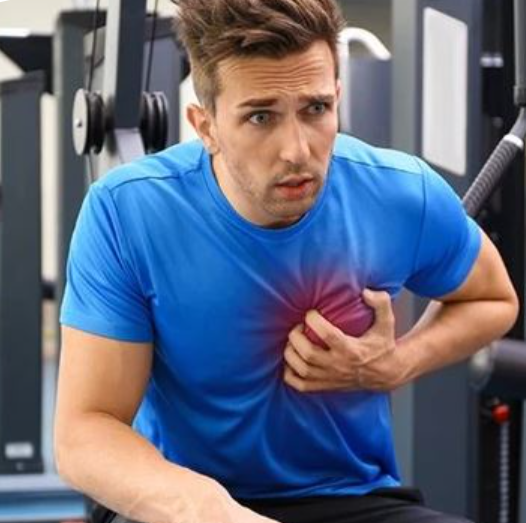
Recent headlines of young, seemingly fit individuals collapsing during gym workouts have sent shockwaves across India. Sudden cardiac arrest (SCA) during exercise, though rare, is a serious medical emergency where the heart suddenly stops beating effectively. Unlike a heart attack caused by blocked arteries, SCA results from electrical disturbances in the heart that disrupt its pumping action.
While exercise is crucial for heart health, understanding why these tragic incidents occur can help you work out smarter and safer.
Why Does the Heart Stop During Workouts?
Several factors contribute to sudden cardiac arrest during intense physical activity:
Undiagnosed heart conditions are the primary culprit. Many young Indians have underlying cardiac abnormalities like hypertrophic cardiomyopathy, coronary artery anomalies, or long QT syndrome without knowing it. When pushed to extreme limits during high-intensity training, these hidden conditions can trigger fatal arrhythmias.
Overexertion without adequate preparation is another major risk. In our enthusiasm to achieve quick results, many gym-goers jump into intense CrossFit, heavy weightlifting, or prolonged cardio sessions without proper conditioning. This sudden stress on an unprepared cardiovascular system can be dangerous.
Dehydration and electrolyte imbalance also play significant roles. India's hot climate means we sweat profusely during workouts. Without proper hydration and electrolyte replenishment, the heart's electrical system can malfunction.
Poor lifestyle habits compound the risk. Late-night work culture, inadequate sleep, excessive chai consumption for energy, smoking, and high-stress levels weaken the heart over time, making it vulnerable during physical exertion.
Key Warning Signs You Shouldn't Ignore
Your body often sends signals before a cardiac event. Never dismiss these symptoms:
- Chest pain, pressure, or discomfort during exercise
- Unusual breathlessness disproportionate to workout intensity
- Dizziness, lightheadedness, or fainting spells
- Heart palpitations or irregular heartbeat
- Extreme fatigue that doesn't improve with rest
- Family history of sudden cardiac death before age 50
Essential Prevention Tips for Indian Fitness Enthusiasts
Get a comprehensive cardiac screening before starting any intense exercise program. This should include an ECG, echocardiogram, and stress test, especially if you're over 35 or have risk factors like diabetes, hypertension, or family history of heart disease.
Progress gradually. Don't let social media fitness trends push you beyond your limits. Build your cardiovascular endurance slowly over weeks and months, not days.
Stay properly hydrated. Drink water before, during, and after workouts. Consider coconut water or nimbu pani with a pinch of salt for natural electrolyte replenishment instead of sugar-laden sports drinks.
Fuel your body correctly. Don't work out on an empty stomach after fasting since your last night's dal-roti dinner. Have a light snack like a banana or a small bowl of poha 30-60 minutes before exercise. Ensure adequate protein intake through dahi, paneer, eggs, or dal for muscle recovery.
Prioritize sleep and stress management. Aim for 7-8 hours of quality sleep. Practice yoga, meditation, or pranayama to manage stress—your heart will thank you.
Avoid working out when unwell. That viral fever or severe cold isn't just an inconvenience; viral infections can inflame the heart muscle. Rest until fully recovered.
Listen to your body. If something feels wrong, stop immediately. It's better to skip one workout than risk your life.
Ensure your gym has emergency preparedness. Check if trainers are CPR-certified and if an AED (automated external defibrillator) is available on premises.
Take Charge of Your Heart Health Today
Fitness should add years to your life, not put it at risk. Whether you're a seasoned athlete or just beginning your wellness journey at Health Harbor, remember that consistency trumps intensity. Get that cardiac checkup you've been postponing, respect your body's limits, and make informed choices. Your heart works tirelessly for you—it's time you returned the favor. Start today with one small step toward safer, smarter fitness!