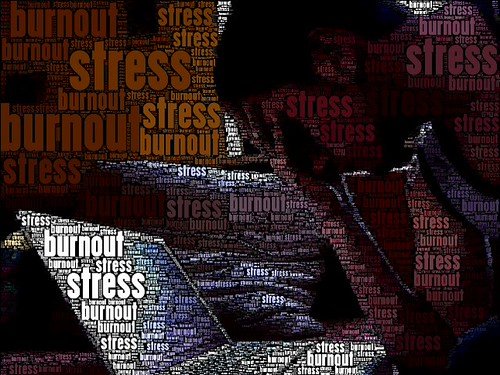
The Silent Crisis Burning Through India's Workforce
Picture this: It is 11 PM in Mumbai. Priya, a 32-year-old marketing manager, is still answering Slack messages while her dinner of cold dal and roti sits untouched on the table. Her morning chai ritual — once a five-minute moment of peace — is now gulped down during a commute. She cannot remember the last time she slept without her mind racing. Priya is not alone. Across Bengaluru, Delhi, Hyderabad, and Chennai, millions of urban Indian professionals are silently battling chronic stress and burnout, and the toll on their physical and mental health is becoming impossible to ignore.
Understanding Burnout: More Than Just Tiredness
Burnout is a state of chronic physical and emotional exhaustion caused by prolonged exposure to demanding work conditions. The World Health Organization officially classifies it as an occupational phenomenon. In India, a 2023 survey by Deloitte found that nearly 80% of Indian employees reported experiencing burnout symptoms, driven by long working hours, blurred work-life boundaries — especially post-pandemic — and immense societal pressure to succeed financially. Unlike simple tiredness that disappears after a weekend, burnout seeps into your sense of identity, motivation, and even physical immunity.
Warning Signs You Should Never Ignore
Recognising burnout early is the single most powerful step you can take. Watch for these red flags:
- Persistent fatigue that does not improve with rest or sleep
- Emotional detachment from work, family, and hobbies you once loved
- Frequent headaches, digestive issues, or body aches with no clear medical cause
- Irritability and short temper, especially with close ones at home
- Reduced productivity despite working longer hours
- Difficulty concentrating or making simple decisions
If three or more of these feel familiar, your body is sending you an urgent message. Please listen.
Practical, India-Rooted Strategies to Manage Stress Daily
The good news is that recovery is entirely possible. Here are evidence-backed strategies that fit naturally into an Indian lifestyle:
- Reclaim your morning chai: Resist the urge to check your phone for the first 30 minutes after waking. Let your morning tea be a genuine mindfulness ritual — notice the warmth of the cup, the aroma, the quiet.
- Eat your meals like medicine: Warm, home-cooked food is deeply nourishing. Foods like turmeric milk (haldi doodh), ashwagandha-enriched foods, moong dal, and seasonal vegetables actively support your nervous system and reduce cortisol levels.
- Schedule no-screen evenings: Designate at least three evenings a week as technology-light. Use this time for a walk in a nearby park, gentle pranayama (breathing exercises), or simply talking with family.
- Set honest work boundaries: Use your phone's Do Not Disturb feature after 8 PM. Communicate availability hours clearly to colleagues. In a culture that glorifies being busy, saying "I am offline" is a courageous act of self-respect.
- Practice the 5-5-5 breathing technique: Inhale for 5 counts, hold for 5, exhale for 5. Do this for just three minutes during lunch. It activates your parasympathetic nervous system and physically lowers your stress response within minutes.
- Seek community, not isolation: Indian culture has always valued sangha — community. Talk to a trusted friend, join a weekend hobby group, or consider speaking with a certified therapist. Mental health support is not weakness; it is wisdom.
Why Rest Is a Professional Superpower
There is a persistent myth in corporate India that exhaustion equals dedication. The science disagrees strongly. Research published in the Journal of Occupational Health Psychology confirms that well-rested professionals demonstrate higher creativity, sharper decision-making, and significantly lower error rates. Protecting your rest is not laziness — it is your highest-leverage professional investment.
Your Wellness Journey Starts Right Now
You do not need a Himalayan retreat or an expensive wellness programme to begin healing. Start tonight: put your phone down an hour earlier, warm a cup of haldi doodh, breathe deeply, and remind yourself that your worth is not measured in your workload. At Health Harbor, we believe every Indian professional deserves to thrive — not merely survive. Bookmark this page, share it with a colleague who needs it, and explore our Wellness & Health section for guided breathing exercises, stress-relief recipes, and expert mental health resources. Your calmer, healthier life is not a luxury — it is your right.