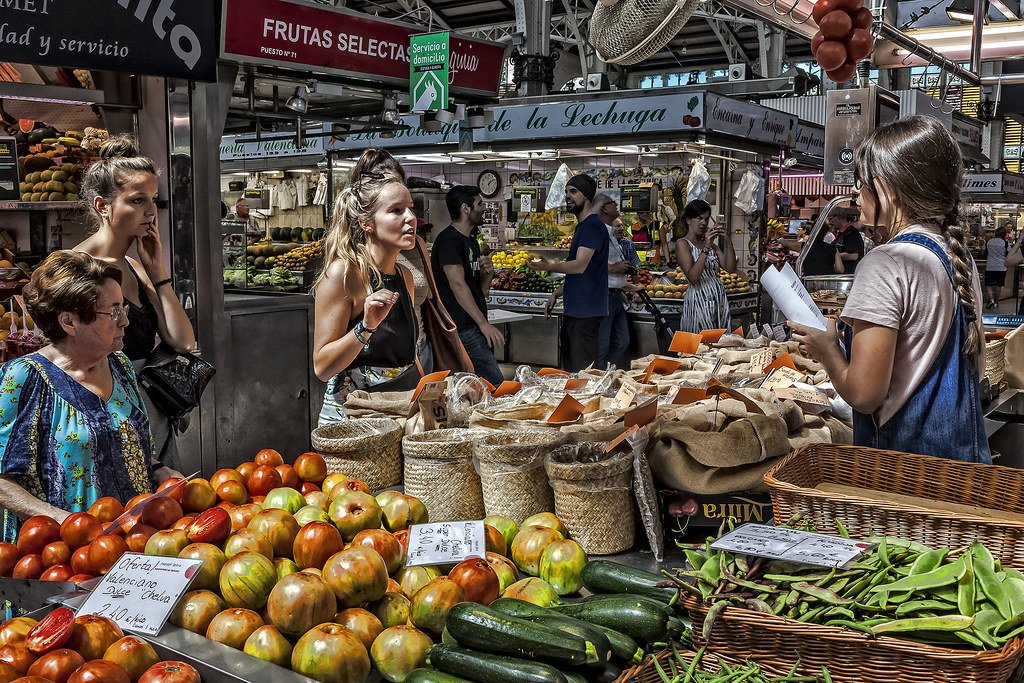
Why the Mediterranean Diet Is Creating a Buzz in India
From Mumbai nutritionists to Delhi wellness coaches, everyone seems to be talking about the Mediterranean diet. Ranked consistently as one of the world's healthiest eating patterns, this diet originated along the coastlines of Greece, Italy, and Spain — but its core principles translate beautifully into an Indian lifestyle. The good news? You don't need to import olive oil by the barrel or give up your morning chai. Many of the foods already sitting in your kitchen are perfectly Mediterranean-friendly.
What Exactly Is the Mediterranean Diet?
At its heart, the Mediterranean diet is a plant-forward, whole-food eating pattern. It emphasises fresh vegetables, fruits, whole grains, legumes, nuts, seeds, healthy fats — primarily olive oil — and moderate amounts of fish and dairy. Red meat is eaten sparingly, and ultra-processed foods, refined sugars, and trans fats are kept to a minimum. The lifestyle component matters too: slow, mindful eating with family is a cornerstone of this way of life — something Indian culture already embraces at the dinner table.
Indian Foods That Perfectly Fit the Mediterranean Way
You may be surprised how much overlap exists between a traditional Indian pantry and Mediterranean principles. Here are some everyday Indian staples that are fully aligned:
- Dal and legumes: Masoor dal, chana, rajma, and moong are excellent plant-based protein sources — a pillar of Mediterranean eating.
- Whole grains: Swap refined maida for whole wheat roti, jowar bhakri, bajra roti, or brown rice to boost fibre intake.
- Fresh vegetables: Spinach, methi, brinjal, tomatoes, and capsicum are Mediterranean superfoods hiding in plain sight in your sabzi.
- Nuts and seeds: A small handful of walnuts, almonds, or flaxseeds with your morning snack mirrors classic Mediterranean snacking habits.
- Olive oil or mustard oil: Extra virgin olive oil is ideal, but cold-pressed mustard oil and coconut oil in moderation are acceptable Indian alternatives.
- Fatty fish: Coastal Indian favourites like rohu, surmai (kingfish), and sardines are rich in omega-3 fatty acids, exactly what the Mediterranean diet recommends.
- Yoghurt (dahi): A daily bowl of dahi is a wonderful source of probiotics and fits naturally within Mediterranean dairy guidelines.
What You Should Limit or Avoid
Adapting the Mediterranean diet also means being honest about some popular Indian habits that work against it. Consider reducing the following:
- Deep-fried snacks: Samosas, pakoras, and puri cooked in refined vegetable oils add unhealthy trans fats with little nutritional return.
- Refined carbohydrates: White bread, maida-based parathas, and instant noodles spike blood sugar and are far from Mediterranean ideals.
- Excess sugar: That second cup of heavily sweetened chai or daily mithai habit can quietly undermine your health goals. Try cutting sugar gradually or switching to jaggery in small amounts.
- Processed and packaged foods: Chips, biscuits, and instant mixes are loaded with sodium and preservatives — the Mediterranean diet's biggest enemies.
- Red meat in excess: Mutton curries and red meat preparations are best reserved as occasional treats rather than weekly staples.
Simple Mediterranean-Inspired Swaps for Your Daily Indian Meals
Transitioning doesn't mean overhauling everything overnight. Start small. Drizzle olive oil over your salad instead of creamy dressing. Replace one cup of white rice with a bowl of mixed sprouts chaat. Add a handful of walnuts to your evening snack instead of reaching for biscuits. Cook your dal with a generous base of tomatoes, onions, and fresh garlic — a combination that would feel right at home on a Greek table. These tiny, consistent changes build a powerful cumulative effect on your long-term health.
Your Journey Towards a Healthier Plate Starts Today
The Mediterranean diet is not a rigid rulebook — it is a flexible, joyful philosophy of eating well. India's rich culinary heritage already gives you a tremendous head start. You have the spices, the legumes, the fresh produce, and the culture of home-cooked meals. All it takes is a few mindful choices each day. Start with one Mediterranean-inspired meal this week, build on it gradually, and let your plate become your most powerful wellness tool. Your body — and your taste buds — will thank you for it.