The Protein Gap in Indian Diets
Walk into any Indian household during mealtime, and you'll likely see a plate piled with rice or roti, a small bowl of dal, some sabzi, and perhaps a dollop of curd. While this looks wholesome, most Indians are unknowingly missing out on a crucial macronutrient: protein.
Recent studies reveal that nearly 80% of Indians consume less protein than their body needs. The Indian Council of Medical Research (ICMR) recommends 0.8-1 gram of protein per kilogram of body weight daily, yet the average Indian consumes only 10-15% of their calories from protein—far below the ideal 15-20%.
Why Does Protein Matter?
Protein is the building block of life. It repairs tissues, builds muscle, produces enzymes and hormones, and keeps you feeling full longer. For a nation battling rising rates of diabetes, obesity, and malnutrition, adequate protein intake isn't optional—it's essential.
Children need protein for growth, adults need it for maintenance and energy, and seniors require even more to prevent muscle loss. Yet our traditional meal patterns often prioritize carbohydrates, leaving protein as an afterthought.
The Best Indian Protein Sources
The good news? India offers abundant protein-rich foods that fit every diet and budget:
- Dals and legumes: Moong dal, chana, rajma, and masoor dal provide 15-25g protein per 100g
- Dairy products: Paneer, dahi, milk, and buttermilk are excellent vegetarian options
- Eggs: One egg delivers 6g of high-quality protein with all essential amino acids
- Chicken and fish: Lean meats offer 20-30g protein per 100g serving
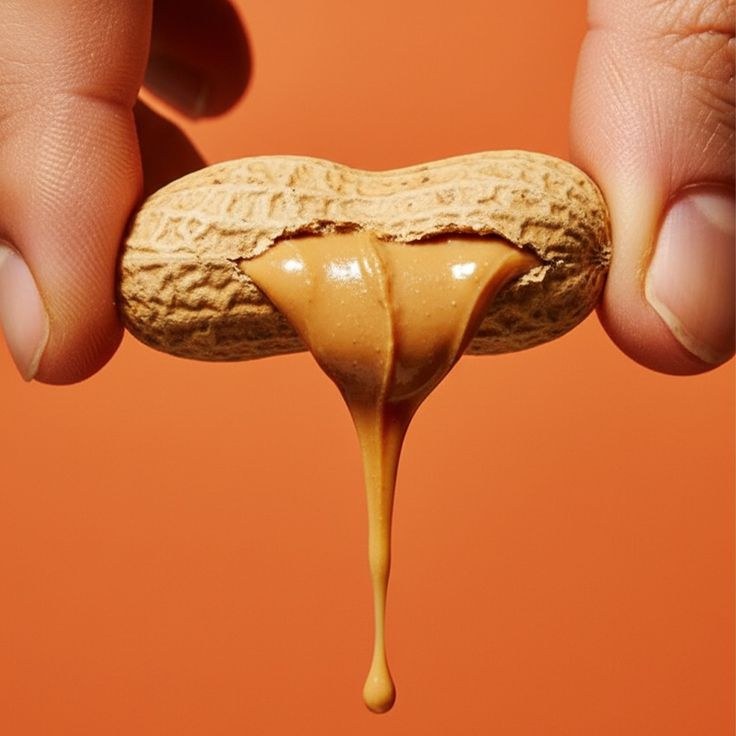
- Nuts and seeds: Almonds, peanuts, and pumpkin seeds make great protein-rich snacks
- Soy products: Tofu, soya chunks, and soy milk are protein powerhouses
Common Mistakes Indians Make
Despite having access to good protein sources, several habits sabotage our intake:
Heavy carb-loading: Our meals are rice-heavy or roti-focused, with protein playing a supporting role. Flip this script by making protein the star of your plate.
Skipping breakfast protein: Starting your day with only chai and biscuits spikes blood sugar and leaves you hungry. Add eggs, sprouts, or paneer bhurji to stabilize energy levels.
Inadequate portions: That small katori of dal isn't enough. Aim for at least one palm-sized portion of protein per meal.
Over-relying on single sources: Eating only dal or only eggs limits your amino acid profile. Variety ensures complete nutrition.
Practical Tips to Boost Your Protein
- Add a boiled egg or a glass of buttermilk to your breakfast
- Snack on roasted chana, makhana with nuts, or hung curd instead of biscuits
- Double your dal portion and add vegetables to it for extra nutrition
- Include paneer, chicken, or fish in at least one meal daily
- Mix besan (chickpea flour) into your atta for protein-enriched rotis
- Drink a glass of milk or have Greek yogurt before bed
- Keep roasted peanuts or almonds handy for quick protein hits
Take Charge of Your Protein Intake Today
Meeting your protein needs doesn't require expensive supplements or drastic diet overhauls. Small, consistent changes to your everyday meals can bridge the gap. Start by adding one extra protein source to each meal this week. Track how you feel—better energy, reduced cravings, and improved recovery from workouts are common benefits.
Remember, a balanced plate is a powerful plate. By giving protein the priority it deserves alongside our beloved rice and roti, we can build stronger, healthier bodies. Your future self will thank you for the investment you make in your nutrition today. Let's eat smarter, not just more!