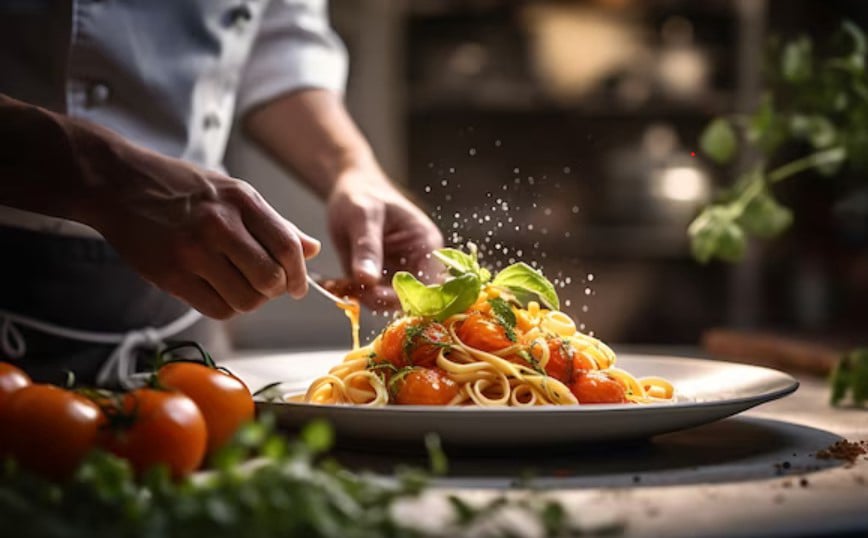
Use Healthy Cooking Oils: Opt for heart-healthy oils such as olive oil, or coconut oil or mustard oil. These oils contain monounsaturated or polyunsaturated fats, which are better for your cardiovascular health compared to saturated fats. Include a Variety of Vegetables Incorporate a colourful array of vegetables into your meals. Different vegetables offer a variety of vitamins, minerals, and antioxidants. Aim to fill half your plate with vegetables for a well-balanced and nutritious meal. Choose Whole Grains Replace refined grains with whole grains like brown rice, quinoa, whole wheat, and oats. Whole grains provide more fiber and essential nutrients compared to their refined counterparts. Limit Added Sugar and Salt: Be mindful of the amount of added sugar and salt in your recipes. Use herbs, spices, and other flavorful ingredients to enhance taste without relying on excessive sugar or salt. In older times, people use more khand, jaggery, dates, raisins for a sweet dishes; no doubt calories of sugar will remain same as others but nowadays you will find refined sugar loaded with chemicals. Cook with Lean Proteins Choose lean protein sources such as poultry, fish, legumes, tofu, and lean cuts of meat. Limit red and processed meat consumption, as they may be associated with certain health risks when consumed in excess. Practice Portion Control: Be mindful of portion sizes to avoid overeating. Using smaller plates and bowls can help with portion control. Listen to your body's hunger and fullness cues. Experiment with Different Cooking Methods: Explore various cooking techniques such as steaming, baking, grilling, sautéing, and boiling. Each method can bring out different flavours and textures in your ingredients. Add Herbs and Spices for Flavour: Enhance the taste of your dishes with herbs and spices instead of relying on excess salt, sugar, or unhealthy fats. Experiment with different combinations to discover new flavours. Include Healthy Fats: Incorporate sources of healthy fats in your diet, such as avocados, nuts, seeds, and fatty fish. These fats are essential for various bodily functions and can contribute to satiety. Minimise Processed Foods: Limit the consumption of highly processed foods, which often contain added sugars, unhealthy fats, and excessive salt. Instead, focus on whole, minimally processed foods. Meal Prep and Plan Ahead: Plan your meals and prepare ingredients ahead of time. This can help you make healthier choices and reduce the temptation to opt for convenient but less nutritious options. Stay Hydrated: Drink plenty of water throughout the day. Water is essential for digestion, nutrient absorption, and overall well-being. Limit Cooking Temperature: Cooking at high temperatures can lead to the formation of harmful compounds. Use moderate cooking temperatures and avoid burning or charring food.
Remember that adopting a healthy cooking style is part of an overall lifestyle approach to well-being. It's essential to balance your diet with regular physical activity, adequate sleep, and stress management for optimal health.
Why having a good food choice important?
Making healthy choices is paramount for a well-rounded and fulfilling life. These choices positively impact physical and mental health, contributing to disease prevention and overall vitality. A nutritious diet and regular exercise not only help in weight management but also boost immune function, supporting the body's resilience against illnesses. Additionally, healthy habits enhance longevity, promote positive aging, and improve the overall quality of life. Adopting such a lifestyle not only benefits the individual directly but also sets positive examples for future generations, fostering a culture of well-being and preventive health practices. Ultimately, prioritizing healthy choices is an investment in both present and future well-being.