Understanding Fatty Liver Beyond Body Weight
When we think of fatty liver disease, we often picture someone who is overweight or obese. However, the reality surprises many Indians: you can have non-alcoholic fatty liver disease (NAFLD) even if you're thin. This condition, known as lean NAFLD, affects approximately 10-20% of people with fatty liver in India, challenging our assumptions about liver health and body weight.
Your liver plays a crucial role in processing nutrients from your daily meals—whether it's your morning poha, afternoon dal-chawal, or evening roti sabzi. When fat accumulates in liver cells beyond 5-10% of the organ's weight, fatty liver develops, regardless of what the weighing scale shows.
Why Do Thin People Develop Fatty Liver?
Several factors contribute to fatty liver in individuals with normal or low body weight:
Metabolic Dysfunction
Insulin resistance is the primary culprit. Even with a lean frame, your body may struggle to use insulin effectively, causing excess glucose to convert into fat that deposits in the liver. This metabolic issue often runs in families and is increasingly common among Indians due to genetic predisposition.
Visceral Fat Accumulation
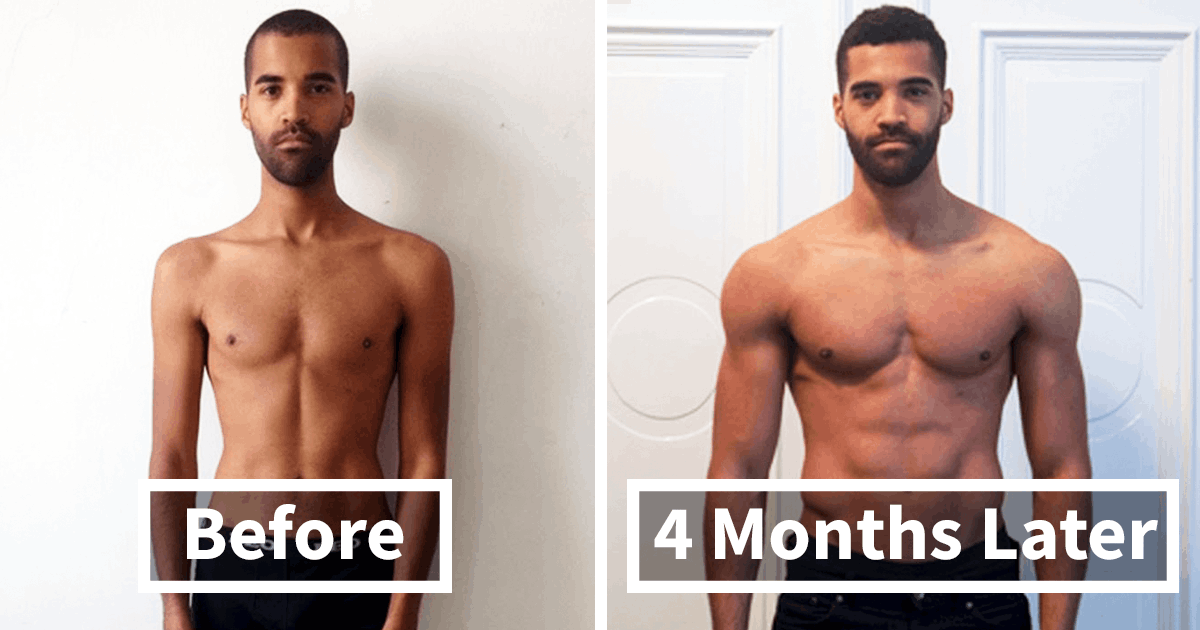
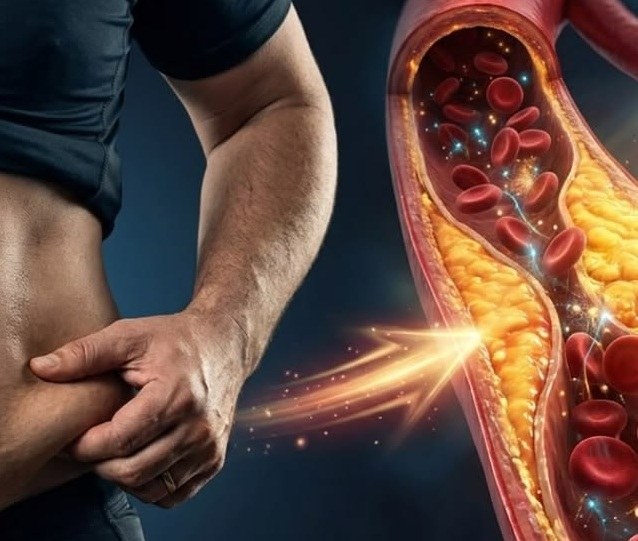
You might look thin on the outside, but visceral fat—the dangerous fat surrounding internal organs—can accumulate without visible signs. This "skinny fat" phenomenon, medically termed normal weight obesity, is particularly prevalent in people with sedentary lifestyles who rely heavily on desk jobs and auto-rickshaws rather than walking.
Poor Dietary Choices
Being thin doesn't automatically mean eating healthy. A diet high in refined carbohydrates—like maida-based foods, excessive white rice, sugary chai, packaged biscuits, and mithai—can overwhelm your liver with simple sugars that convert to fat. Many thin Indians consume these regularly while lacking adequate protein, healthy fats, and fiber.
Genetic Factors
South Asians carry specific genetic variants that increase susceptibility to fatty liver disease at lower BMI levels compared to other populations. The PNPLA3 gene variant, common in Indian populations, significantly raises fatty liver risk regardless of body weight.
Rapid Weight Loss
Paradoxically, losing weight too quickly through crash diets or excessive fasting can trigger fatty liver as the body mobilizes fat stores rapidly, overwhelming the liver's processing capacity.
Warning Signs to Watch For
Fatty liver often develops silently, but watch for these symptoms:
- Persistent fatigue and weakness, even after adequate rest
- Discomfort or dull ache in the upper right abdomen
- Unexplained loss of appetite
- Dark patches on the neck or underarms (acanthosis nigricans)
- Elevated liver enzymes in routine blood tests
Protection Strategies for Everyone
Whether you're thin or not, protecting your liver requires consistent lifestyle choices:
- Balance your plate: Include protein-rich dal, legumes, and lean meats; choose whole grains like brown rice and jowar over refined options; add colorful vegetables to every meal
- Limit refined sugars: Reduce consumption of sweets, packaged fruit juices, and sweetened beverages including that extra-sweet chai
- Stay active: Aim for 150 minutes of moderate exercise weekly—brisk walking, yoga, or dancing all count
- Regular health checks: Get liver function tests annually, especially if you have diabetes or a family history of liver disease
- Manage stress: Chronic stress affects metabolism and can contribute to fatty liver; practice meditation or pranayama
- Avoid alcohol and smoking: Both significantly increase liver damage risk
Take Charge of Your Liver Health Today
Don't let a lean body create a false sense of security about your liver health. Your liver works tirelessly every day, filtering toxins and processing nutrients, regardless of your weight. Schedule a comprehensive health checkup including liver function tests, especially if you're over 30 or have metabolic concerns. Remember, early detection and lifestyle modifications can reverse fatty liver in most cases. Your liver has remarkable healing abilities—give it the support it deserves through mindful eating, regular movement, and stress management. Start with one small change today, and your liver will thank you for years to come.